
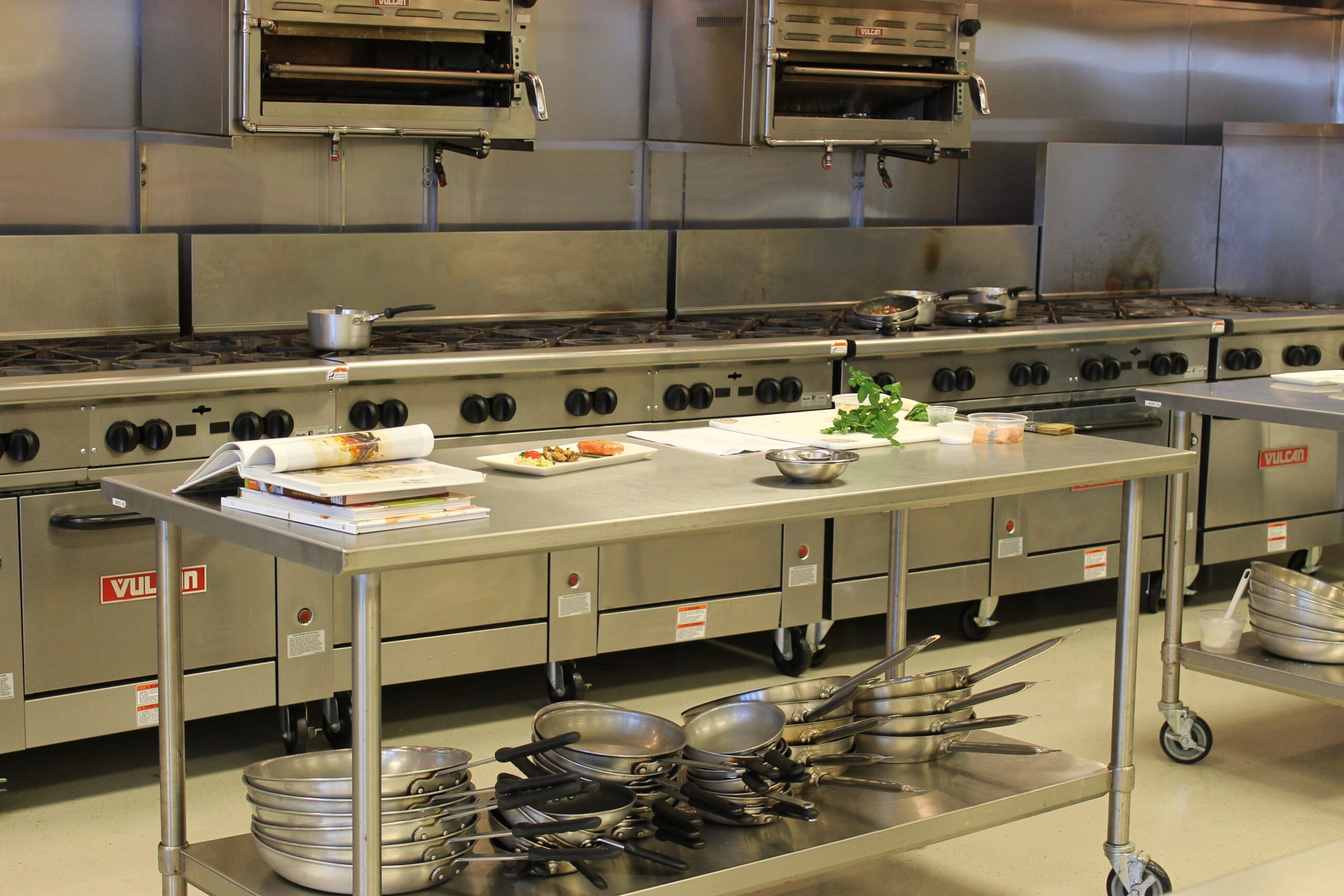
Starting a food business can be daunting, especially when it comes to finding affordable kitchen space and essential equipment. In South Africa, shared and community kitchens provide a practical solution, offering entrepreneurs a way to produce in a professional environment without the cost of building their own commercial kitchens. Here’s a guide to finding affordable kitchen spaces and sourcing essential equipment to jumpstart your culinary venture.
Exploring Shared and Community Kitchens
Shared and community kitchens have become a cornerstone for food entrepreneurs, offering fully equipped, licensed facilities that cater to small businesses and startups. These kitchens operate on a rental basis, allowing you to pay only for the hours you use, which can be a cost-effective option if you’re just starting out. Here are a few options:
- The Kitchen Space (Johannesburg): This shared kitchen provides food entrepreneurs with access to a professional kitchen, ideal for small-scale production. The Kitchen Space offers hourly rentals, making it easy for entrepreneurs to control costs as they scale up production.
- Cape Town Kitchen Hub (Cape Town): This facility provides flexible rental options, from hourly to monthly rates, and features essential kitchen appliances, storage, and even consultation services to support food entrepreneurs with business advice and food safety compliance.
- eThekwini Shared Kitchen (Durban): This Durban-based kitchen supports small businesses and caters to entrepreneurs in need of basic commercial kitchen facilities at affordable rates. It’s particularly suited to early-stage entrepreneurs testing products in the market.
These kitchens are often located in business hubs, making them convenient for distribution and client deliveries. Additionally, they provide a community of like-minded entrepreneurs, which can be invaluable for support and networking.
Essential Equipment for Your Kitchen
Starting a food business requires investing in essential equipment, which can be costly. Prioritize equipment that will help streamline production and ensure quality, such as:
- Commercial Ovens and Stoves: Depending on your product, a convection oven is highly versatile for baking and roasting. Gas or electric stoves can be purchased affordably from suppliers like CaterMarket and Munaaz, which offer a range of equipment suited to various culinary needs.
- Food Processors and Mixers: Food processors and mixers help in efficient food prep, saving both time and labor. Local suppliers such as Yuppiechef and CaterCare carry a variety of mixers and food processors suitable for both small- and medium-scale production.
- Refrigeration and Freezing Units: Cold storage is crucial for many food businesses. When sourcing refrigerators and freezers, consider brands like Defy and Hisense, which offer reliable products at reasonable prices. Second-hand units are often available on platforms like OLX or Gumtree, providing a more affordable option for startup budgets.
Sourcing Affordable Equipment
Finding affordable kitchen equipment in South Africa is key to reducing startup costs. Many local suppliers offer quality, cost-effective options for budding entrepreneurs:
- CaterMarket: Known for its wide selection of commercial kitchen equipment, CaterMarket offers various payment options, including rent-to-own, which is ideal for entrepreneurs managing cash flow.
- Makro: This retailer has a solid range of commercial and home-use kitchen appliances. Makro frequently has sales, which can provide substantial discounts on items like refrigerators, ovens, and mixers.
- Gumtree and OLX: Both platforms are excellent for finding second-hand commercial equipment at a fraction of the price. Many businesses sell off slightly used equipment, allowing new entrepreneurs to get quality items affordably.
- Yuppiechef: While known for home appliances, Yuppiechef also has some durable equipment that works well for small-scale commercial operations. Look for items like blenders and mixers, which are often on sale.
Additional Tips for Cost Savings
- Consider Renting Before Buying: Some equipment suppliers, such as Munaaz, offer leasing options, allowing you to rent equipment until your business grows enough to justify a purchase. This can help reduce upfront costs and improve cash flow.
- Buy Equipment Gradually: Begin with essential items, then reinvest profits into additional equipment. This approach helps you avoid overspending early on.
- Apply for Small Business Grants: In South Africa, organizations like the Small Enterprise Finance Agency (SEFA) and the Department of Trade, Industry, and Competition (DTIC) provide funding and grants for small businesses. Applying for these programs could help cover equipment costs.
- Look for Sales and Clearance Deals: Suppliers like Makro and Game often have sales on commercial kitchen equipment. Subscribing to their newsletters or visiting stores during promotional periods can help you find bargains.
Moving Forward
Affordable kitchen spaces and equipment are available to South African entrepreneurs with the right planning and resources. Shared kitchens make starting a food business more accessible, allowing you to build up production gradually without needing heavy initial investment. By sourcing essential equipment from local suppliers and exploring cost-saving options, you’ll be well on your way to establishing a strong foundation for your culinary business. With a clear plan and strategic sourcing, you can focus on what you do best, creating delicious food and growing your business.
Leave a Reply